Locating a dependable pest control service Denver homeowners can verify begins with understanding target pest biology, precise site diagnostics, and transparent pricing. Residential properties in Kent County face distinct seasonal pest pressures ranging from subterranean termites emerging near damp creek beds to field rodents seeking crawlspace shelter after autumn harvests.
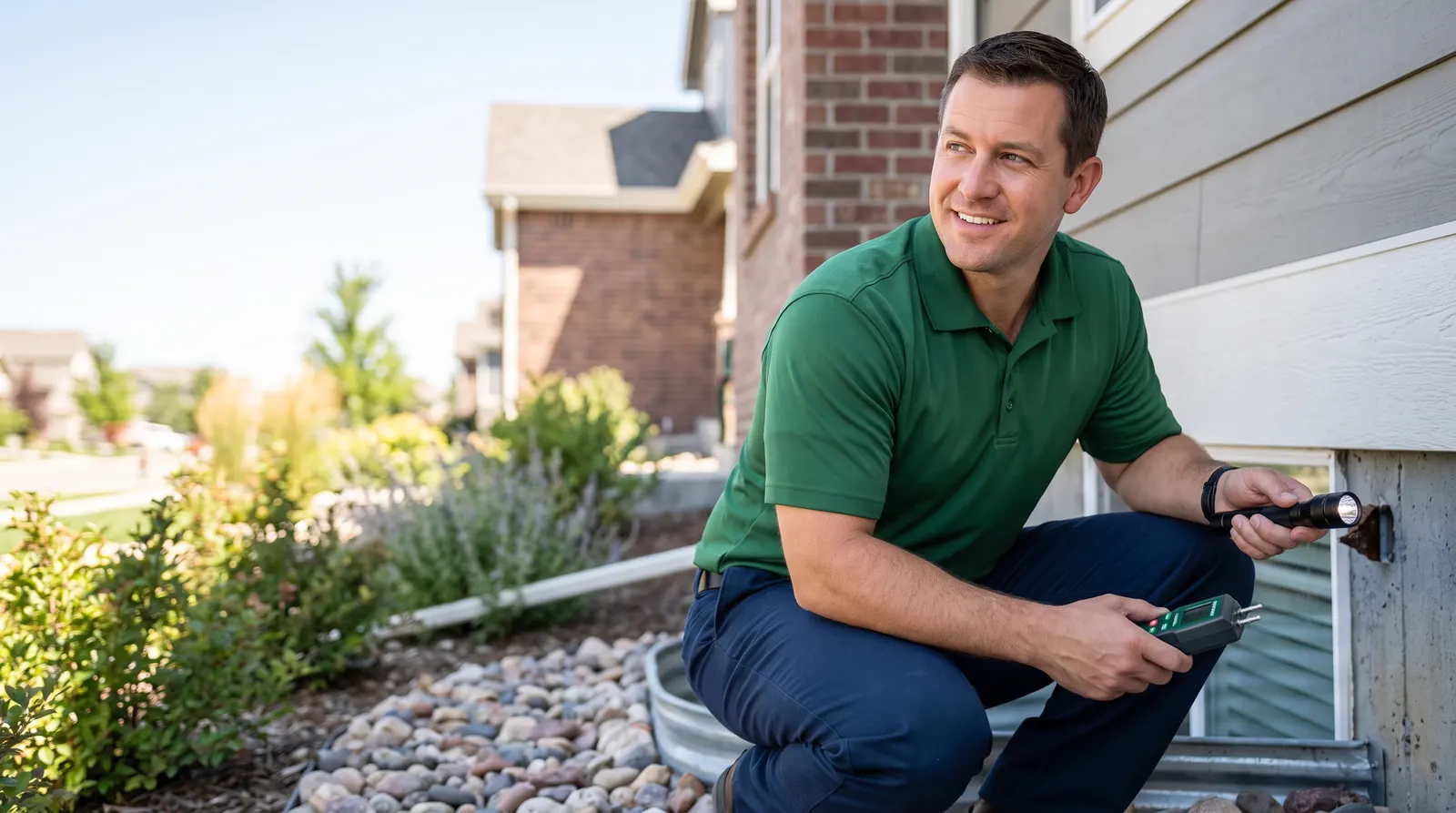
A professional pest control service Denver property owners rely on is an integrated pest management process providing targeted inspection, perimeter exclusion, and targeted biological remediation for structural insects and rodents across Kent County.
Every service reflects the same meticulous attention to detail, whether it's a single job or a larger pest control sevice project across Denver.
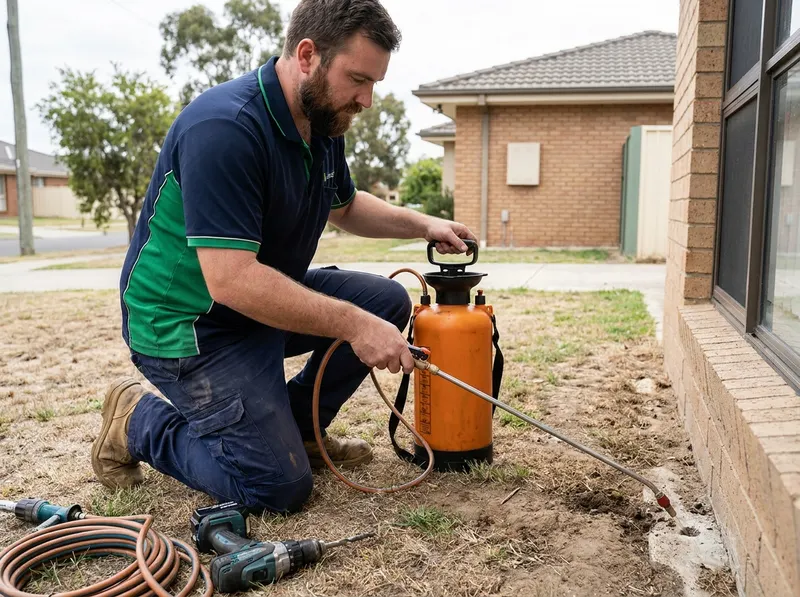
Subterranean termite remediation involves mechanical foundation drilling, sub-slab injection, and deep perimeter trenching around residential structures. Technicians apply non-repellent liquid termiticides directly into exterior soil trenches excavated six inches deep by six inches wide along the foundation wall. For homes built over crawlspaces or monolithic concrete slabs, injection ports deliver termiticide at calibrated depths to neutralize foraging workers before they breach sill plates and structural framing timbers. Ongoing monitoring through non-invasive physical inspection stations helps detect subterranean activity along foundation perimeters before costly structural wood damage compromises framing integrity.
Get a quote →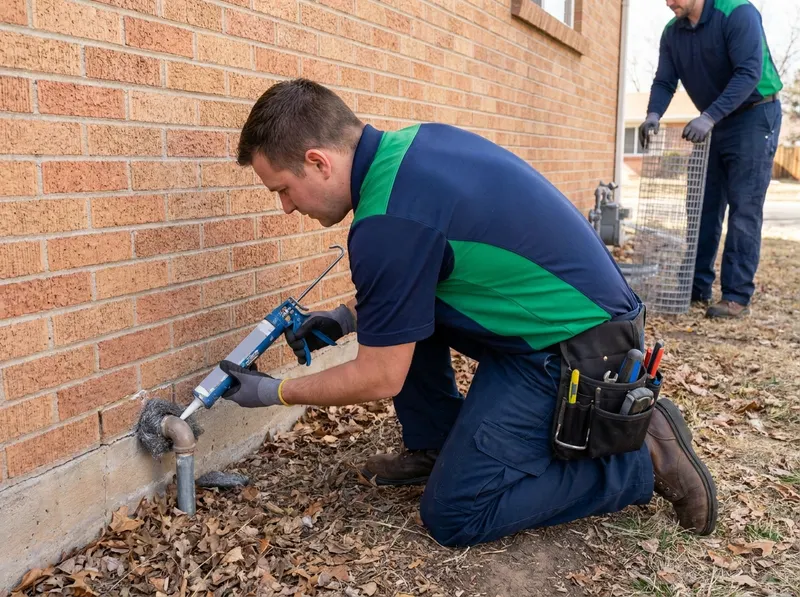
Rodent exclusion establishes permanent physical barriers against deer mice, house mice, and Norway rats attempting to enter conditioned living spaces. The process begins with sealing all exterior gaps, weeping vents, and utility conduits exceeding 1/4 inch using galvanized steel hardware cloth, metal flashing, and industrial elastomeric sealant. Interior attic and crawlspace areas undergo mechanical trapping and sanitation to extract active populations without leaving decaying biohazards inside wall cavities. Remediation crews also inspect attic insulation zones, vacuuming localized rodent droppings with HEPA-filtered capture units and misting sanitizing enzymes to eliminate airborne pheromone scent markers that attract future outdoor foragers.
Get a quote →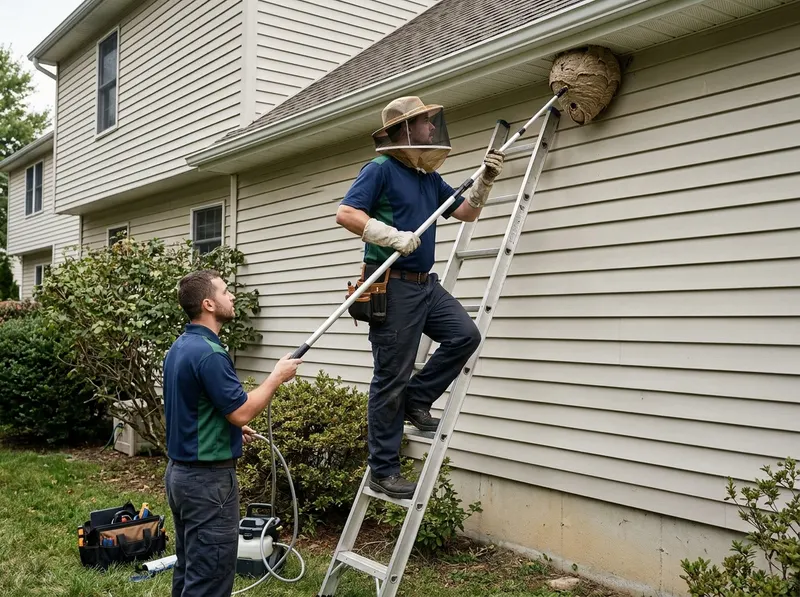
Stinging insect remediation safely eliminates baldfaced hornet nests, aerial yellowjacket colonies, and paper wasp clusters from exterior building envelope eaves, soffits, and outbuildings. Technicians utilize targeted directional aerosols and micro-encapsulated dusts injected straight into the core nest entrance. The complete physical nest structure is scraped, excised, and bagged for bio-secure removal, followed by residual surface treatment to prevent scout queens from re-establishing nests on the same architectural anchor points. Technicians execute stinging insect removals using specialized physical protective gear, ensuring fast extraction from sensitive outdoor structures like second-story fascia boards, children's play sets, and deck overhangs without endangering property occupants.
Get a quote →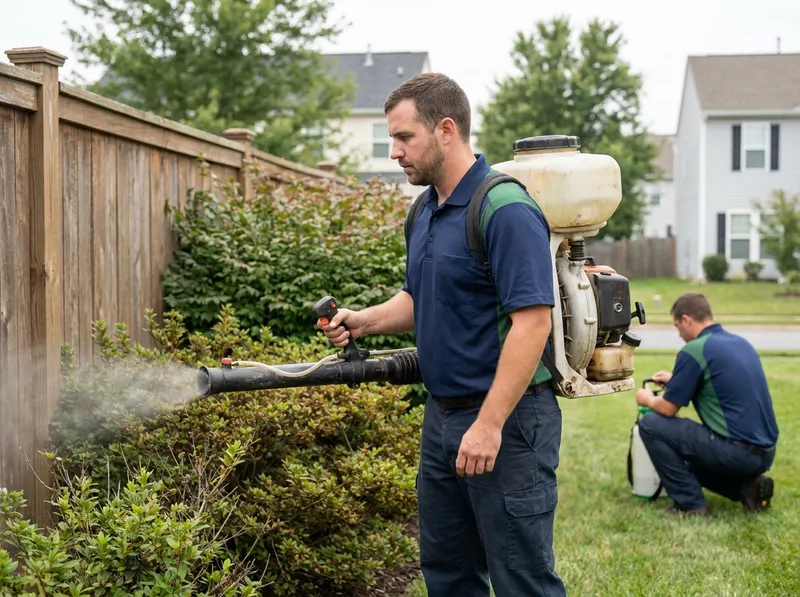
Seasonal yard treatments minimize active disease-vector pests, including blacklegged ticks and Asian tiger mosquitoes, across exterior perimeters. High-pressure mist-blowers apply micro-encapsulated pyrethroids and insect growth regulators to the undersides of dense foliage, ornamental shrubs, and tall turf margins where adult pests harbor during daylight hours. Larvicide briquettes containing Bacillus thuringiensis israelensis are placed directly into drainage swales, roadside ditches, and low-lying perimeter depressions to interrupt larval life cycles. Targeted suppression cycles focus heavily on brush lines and shaded wood edges where ticks wait on structural leaf litter, dramatically lowering the risk of Lyme disease transmission across domestic outdoor recreation areas.
Get a quote →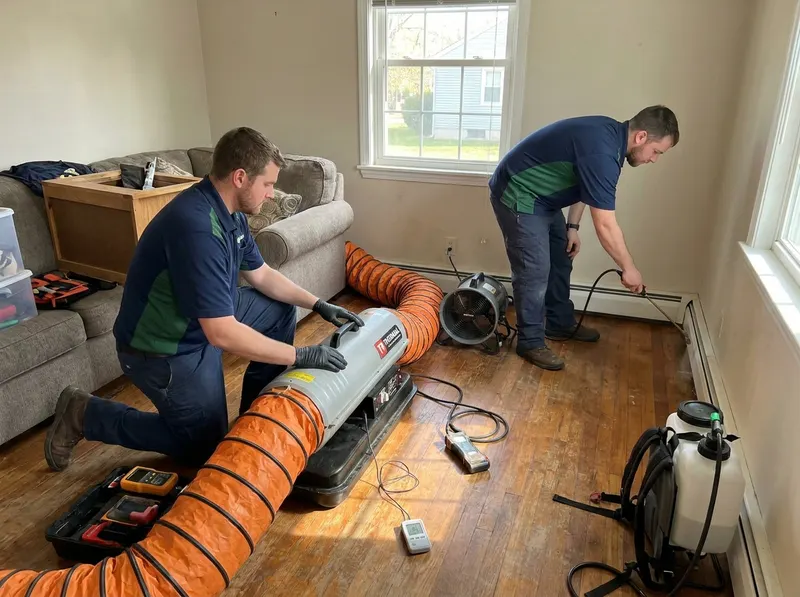
Targeted bed bug eradication targets all life stages of Cimex lectularius within residential bedrooms and communal living spaces. Technicians apply systemic insect growth regulators alongside desiccant dusts, such as amorphous silica gel, within wall receptacles, baseboard margins, bed frames, and mattress seam bindings. For dense structural harborage, localized thermal remediation raises target room temperatures to a sustained 122°F for over three hours, denaturing pest proteins and non-chemically neutralizing heat-sensitive egg clusters. Detailed follow-up physical inspections check furniture seam tufts, picture frames, and baseboard junctions to verify complete mortality across all nymphal instars before declaring the room fully cleared.
Get a quote →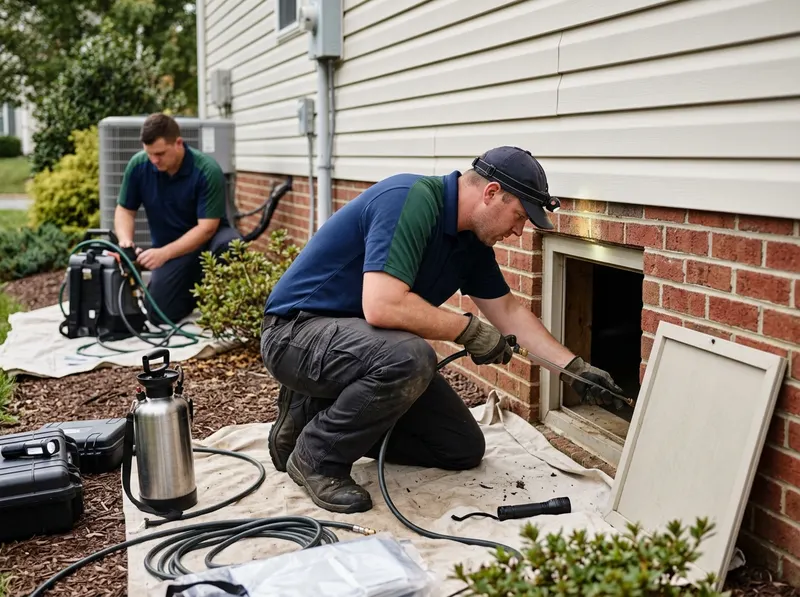
Sub-floor crawlspace restoration removes the biological attractants and harborage conditions that sustain damp-loving structural pests. Technicians extract urine-soaked insulation, remove wildlife droppings, and dispose of moisture-damaged vapor barriers. The earth floor is then treated with broad-spectrum borate applications along structural wood framing to prevent fungal rot and wood-boring beetle emergence, followed by the installation of heavy 10-mil polyethylene vapor retarders across all exposed soil surfaces. Air exchange points receive stainless steel wire mesh screening to ensure foundation vents allow necessary atmospheric ventilation without permitting entry to mice, bats, or subterranean crawlspace spiders.
Get a quote →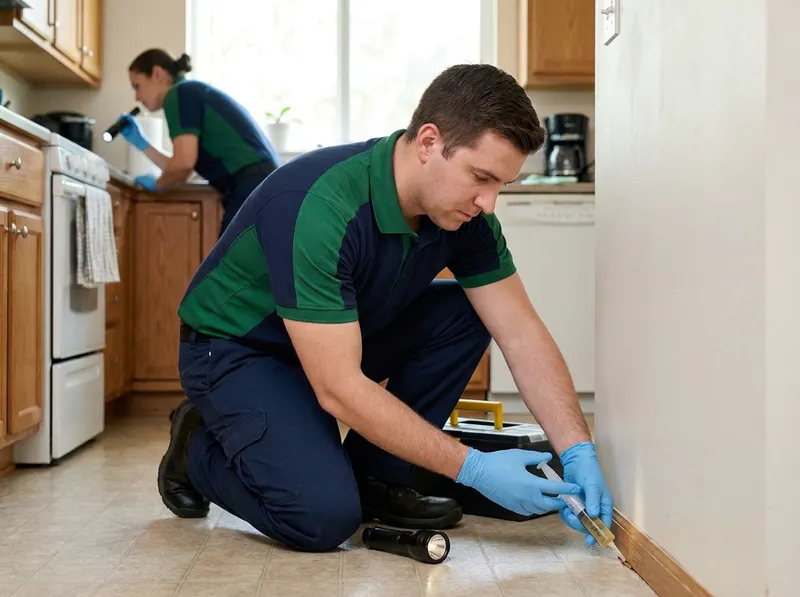
Targeted cockroach elimination addresses German, Oriental, and American cockroach infestations in food-preparation zones and plumbing utility chases. Rather than deploying volatile airborne foggers that cause colonies to disperse deeper into insulated drywall, technicians place micro-beads of hydramethylnon or indoxacarb gel baits into unexposed interior hinge joints, sub-sink kickplates, and pipe collars. These baits leverage social feeding behaviors to spread horizontal toxicity back to the primary nesting aggregate. Sticky glue trap monitors placed at ground-level baseboard junctions track adult nymph capture rates over a twenty-one-day incubation cycle, confirming complete structural collapse of the breeding population.
Get a quote →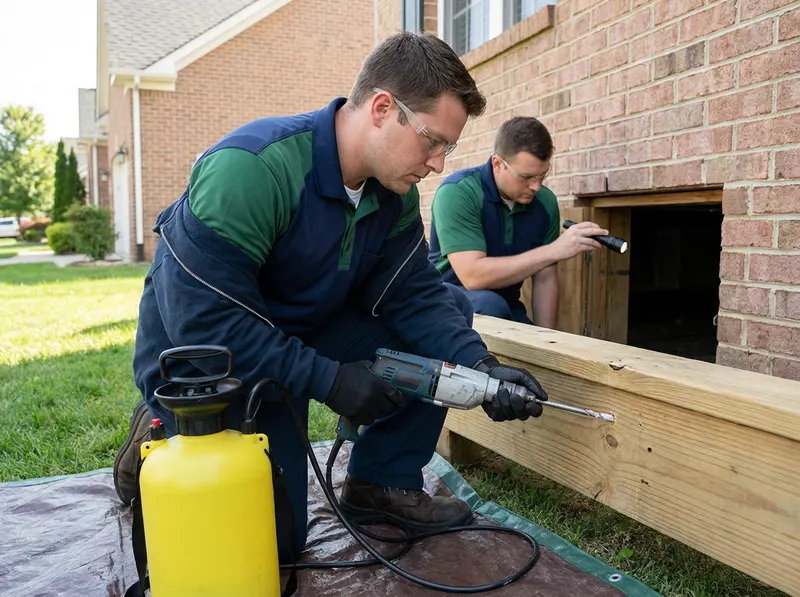
Carpenter ant management pinpoints satellite nesting colonies excavating damp structural wood inside window framing, roof valleys, and exterior wall junctions. Technicians track visible trailing lines to trace satellite nests back to parent colonies nesting in decaying tree stumps or exterior landscaping timbers. Liquid non-repellent formulations are applied directly to foundational transit routes, allowing foraging worker ants to carry the active ingredient into the queen chamber, effectively collapsing the satellite network. Technicians locate interior structural wood cavities using acoustic void probing, void-injecting micro-crystallized pyrethroid dusts that quickly eliminate parent colonies without necessitating destructive drywall removal.
Get a quote →You get a firm, itemized quote for your pest control sevice before any work begins, no surprises, no pressure.
Careful prep, tidy work, and a full cleanup when we are done. We treat your home and belongings like our own.
The same trusted, background-checked team from the first call to the final check.
Selecting the correct management strategy depends directly on the pest category, property foundation type, and surrounding environmental factors. If you identify dry wood shavings, mud tubes, or hollowed framing along sill plates, choose dedicated subterranean termite barrier treatments rather than standard perimeter sprays; surface sprays do not reach subterranean colonies nesting beneath structural footings. If you hear scratching noises within exterior drywall or discover droppings near ground-floor utility penetrations, choose mechanical rodent exclusion rather than continuous anticoagulant baiting; chemical baiting alone leaves entry points unsealed, permitting fresh outdoor field mice to re-enter.
The operational trade-off centers on upfront mechanical labor versus long-term recurring visits: mechanical barrier sealing requires an initial physical investment of carpentry and wire mesh installation but permanently stops pest ingress, whereas broadcast chemical spraying requires lower initial disruption but necessitates reapplications every 60 to 90 days. For active stinging insect colonies on exterior soffits or beneath deck joists, single-event knockdown treatments resolve immediate physical hazards; however, recurring seasonal barrier applications are required if property boundaries border standing moisture near Moores Lake or Tidbury Creek. In commercial structures or residential multi-family units facing cockroach or pantry pest pressure, selecting crack-and-crevice target baiting over broad atmospheric aerosol fogging prevents colony scatter into adjacent drywall voids while maintaining food safety standards in kitchen zones.
When choosing between localized wood injection and continuous exterior liquid trenching for structural timber infestations, foundation construction determines the outcome: homes set on poured concrete slabs benefit from targeted slab injection along structural expansion joints, whereas structures situated over earthen crawlspaces require complete perimeter soil saturation combined with interior stem-wall barrier treatments to intercept exploratory foraging tubes effectively.
Every project gets a firm, written price after a free on-site visit. Ranges below for orientation.

Properties throughout the Denver and broader Camden-Wyoming corridor contend with high subsoil water tables and heavy alluvial deposits bordering Tidbury Creek and Moores Lake. These moisture conditions accelerate structural soil settling and create ideal subterranean damp-earth habitats for Reticulitermes flavipes termites, which routinely move into sill plates and rim joists. In addition, residential developments adjacent to agricultural tracts experience significant annual field mouse incursions during October when late-autumn corn and soybean harvests clear surrounding fields. Earthen crawlspaces common to older single-family homes around Brecknock County Park often suffer from excessive relative humidity exceeding 70 percent, attracting moisture-dependent wood-destroying beetles and silverfish into structural subfloors. Further south toward Killens Pond State Park, dense canopy cover and poorly drained low-lying soils sustain elevated tick populations, making structural perimeter clearance and targeted brushline buffering essential steps for local homeowners.
 Zandora Pest Elimination